
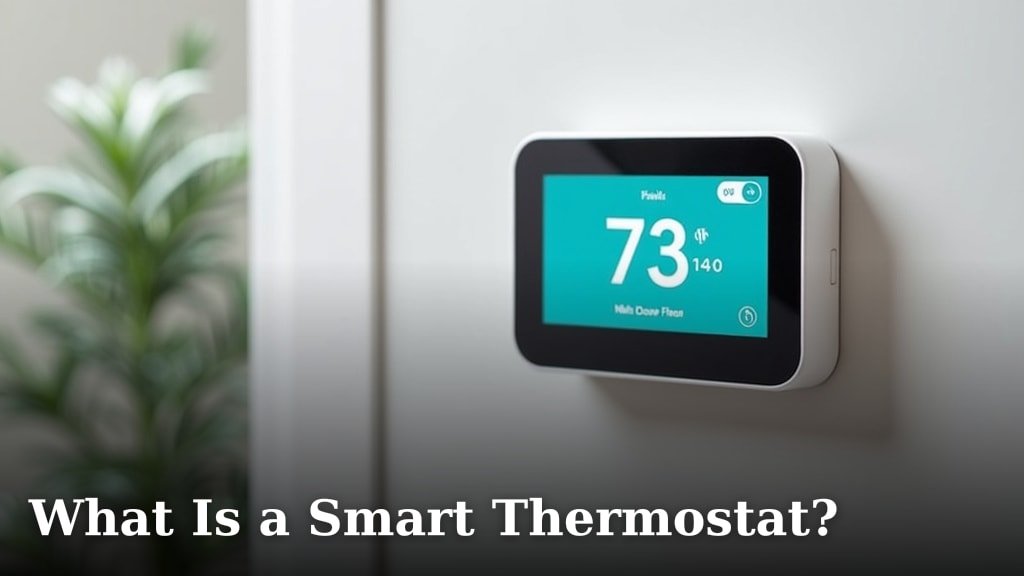
A smart thermostat is a device that controls heating and air conditioning in your home. You can program it with your phone or computer. It lets you set schedules and understand your energy use better.
These devices help you save money on your energy bills. They learn your habits and adjust temperatures automatically. Many even connect with other smart home gadgets for a truly integrated system.
- Convenient Control: Manage your home’s temperature from anywhere.
- Energy Savings: Smart features help reduce heating and cooling costs.
- Automated Comfort: It learns your preferences and adjusts on its own.
- Integration: Works with other smart home devices.
Ready to see how a smart thermostat can change your home comfort? Let’s dig into everything you need to know about these clever devices.
Understanding Your Connected Thermostat
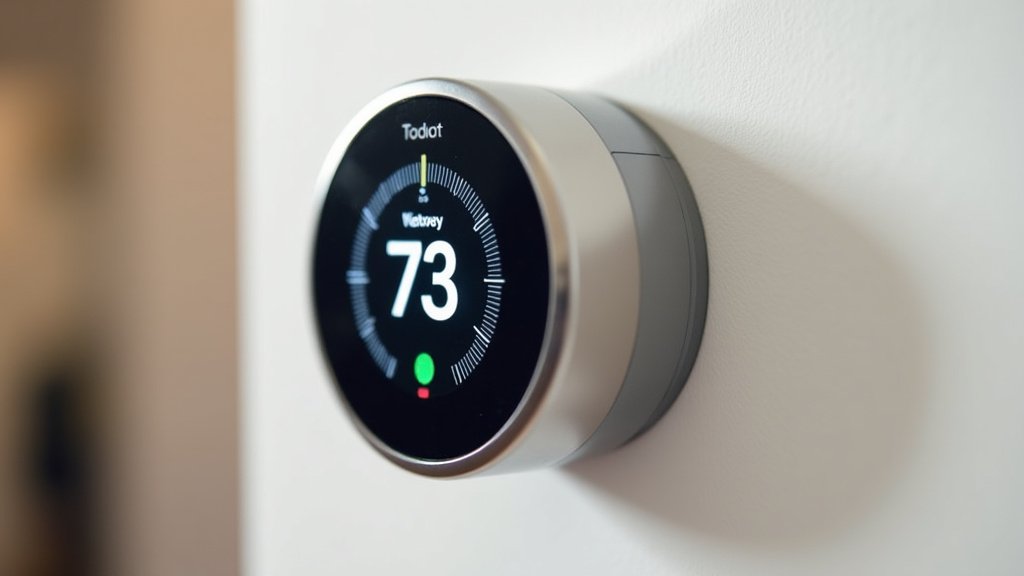
Okay, so what exactly is a smart thermostat? Think of it as the brain of your home’s heating and cooling system, but with a serious upgrade. It’s a thermostat that connects to your home’s Wi-Fi. This connection lets it do so much more than just set a temperature. You can control it from almost anywhere. Imagine adjusting your home’s temperature while you’re stuck in traffic. Pretty neat, right?
These devices are designed to make your life easier and your home more comfortable. They don’t just turn your AC or heat on and off. They often have sensors, Wi-Fi capabilities, and even learning algorithms. Many can even tell you about the weather. They are all about bringing efficiency and convenience to your fingertips.
Key Features That Make Smart Thermostats Shine
Smart thermostats aren’t just fancy gadgets; they come packed with features that can genuinely improve your home life. We found that these features are what truly set them apart from older, programmable thermostats. Let’s explore some of them.
Remote Control: Your Home in Your Pocket
One of the most loved features is remote access. You use an app on your smartphone or even a web browser on your computer. This means you can change your home’s temperature whether you’re at work, on vacation, or just lounging on the couch. Forget to turn down the heat before you left? No problem. A few taps, and it’s done.
This isn’t just about convenience. It’s also about peace of mind. You can check your home’s temperature anytime. Some even send you alerts if the temperature gets too high or too low. This can be super helpful if you have pets or plants that are sensitive to extreme temperatures.
Learning Capabilities: Your Home, Smarter
Many smart thermostats are, well, smart because they can “learn.” They watch your daily habits. When do you like it warm? When do you prefer it cooler? Over time, they start to anticipate your needs without you having to program anything yourself. This is often called “adaptive scheduling.”
For example, if you always turn down the heat when you go to bed, the thermostat will eventually start doing that on its own. It’s like having a helpful assistant for your home’s comfort. This can reduce energy waste. It keeps you comfortable without you even thinking about it.
Energy Reporting: See What You’re Using
Ever wonder how much energy your heating and cooling use? Smart thermostats often provide detailed energy reports. These reports show you when your system is running and for how long. You can see trends, notice peaks, and understand where your energy dollars are going.
These insights are super valuable. Knowing where you consume energy helps you make informed choices. Many users found that seeing their energy usage inspired them to adjust their routines. This led to even more savings (National Renewable Energy Laboratory).
Geofencing: Your Thermostat Knows When You’re Home
Geofencing is a clever feature that uses your phone’s location. It creates a virtual boundary around your home. When you leave this zone, your thermostat can automatically adjust the temperature to an economy setting. When you re-enter the zone, it starts bringing your home back to your preferred comfortable temperature.
This is fantastic for saving energy. You’re not heating or cooling an empty house. And you still come home to a comfortable space. No more walking into a freezing house or remembering to turn down the thermostat every time you leave.
Zoning: Tailored Comfort for Every Room
Some advanced smart thermostats support zoning. This means you can have different temperatures in different areas of your home. Do you like your bedroom cooler at night than your living room? With zoning, you can do that. It makes your home much more comfortable for everyone.
Zoning can also save energy. You only heat or cool the areas you’re using. Why pay to heat an unused guest room all day? Zoning lets you focus your energy where it matters most.
Smart Thermostat vs. Traditional Programmable Thermostat
You might be thinking, “My old thermostat is programmable, isn’t that smart enough?” It’s a great question! While programmable thermostats offer more than a basic on/off switch, smart thermostats take things to a whole new level. Let’s break down the differences:
| Feature | Traditional Programmable Thermostat | Smart Thermostat |
|---|---|---|
| Remote Access | No, control only at the wall unit. | Yes, via smartphone app or web. |
| Learning Capability | No, requires manual programming. | Yes, learns your preferences over time. |
| Energy Reports | Limited or none. | Detailed reports and insights. |
| Geofencing | No. | Yes, uses phone location for adjustments. |
| Voice Control | No. | Yes, compatible with smart assistants. |
| Installation | Typically DIY or professional. | Can be more complex, often DIY-friendly. |
| Cost | Generally lower upfront. | Higher upfront cost, potential for greater savings. |
As you can see, the smart thermostat offers a richer, more automated experience. It’s not just about setting a schedule. It’s about letting the device understand and anticipate your needs.
Considering a Smart Thermostat for Your Home?
So, is a smart thermostat right for you? Many homeowners find them incredibly beneficial, especially for balancing comfort and energy savings. We’ve seen that users often report a noticeable difference in their monthly utility bills. They also rave about the convenience.
What Makes Them So Energy Efficient?
It boils down to three main things:
- Reduced Waste: Features like geofencing and learning stop you from heating or cooling an empty house.
- Better Awareness: Energy reports make you more conscious of your consumption. This often leads to better habits.
- Precise Control: Smart thermostats maintain more consistent temperatures. This avoids big temperature swings that can make your system work harder.
Think of it this way: your old thermostat is like an on/off light switch. A smart thermostat is like a dimmer switch you can control from anywhere, that also monitors how much energy your light is using (U.S. Department of Energy).
Compatibility and Installation: What You Need to Know
Before you jump in, it’s good to check a few things. Most smart thermostats need a C-wire (common wire) for continuous power. Your current thermostat might not have one. Don’t worry if it doesn’t! Many models offer workarounds, like power extenders or adapters. You can often check compatibility on the manufacturer’s website.
Installation can be a DIY project for many. Manufacturers usually provide clear, step-by-step instructions. But if you’re not comfortable with electrical work, calling an HVAC professional is always a good idea. Safety first, right?
Smart Home Integration: A Connected Ecosystem
One of the cool things about smart thermostats is how they can play with other smart devices. We found that this integration is a big draw for many people. It creates a more cohesive and automated home environment.
Working with Smart Assistants
Most smart thermostats are compatible with popular smart home assistants like Amazon Alexa or Google Assistant. This means you can control your thermostat with just your voice. Imagine saying, “Hey Google, set the thermostat to 72 degrees,” while you’re cooking. It’s pretty amazing how simple it makes things.
This voice control adds another layer of convenience. It’s perfect for when your hands are full or you’re across the room. It just makes your smart home feel even smarter.
Connecting with Other Smart Devices
Beyond voice assistants, smart thermostats can often connect with other smart home gadgets. They might link up with smart lighting systems. For example, your lights could turn on when your thermostat detects you’re home. They can also work with smart locks. Imagine your thermostat knowing you’re home because your smart lock just detected you opening the door.
This kind of integration can lead to some really interesting automation routines. It helps make your home respond to your presence and preferences in a truly seamless way.
Is a Smart Thermostat a Good Investment?
When considering any home upgrade, you want to know if it’s worth it. Many experts say that a smart thermostat is a solid investment. The initial cost can be a bit higher than a basic programmable model. However, the potential for energy savings usually balances that out over time.
Here’s a quick checklist to help you decide if it’s for you:
- Do you want to save money on your energy bills?
- Do you like controlling things from your smartphone?
- Is coming home to a comfortable temperature important to you?
- Do you forget to adjust your thermostat when you leave or return?
- Are you interested in understanding your home’s energy usage better?
- Do you already have or plan to get other smart home devices?
If you answered yes to several of these, a smart thermostat could be a fantastic addition to your home. It’s a small change that can make a big difference in comfort, convenience, and your wallet.
Conclusion
You’ve now explored how smart thermostats can truly upgrade your home comfort. They offer so much more than just temperature control. We’ve seen how features like remote access, learning capabilities, and energy reporting make a real difference. These devices can help you save money and make your daily life easier. They transform how you interact with your home’s heating and cooling. If you’re ready for more control and efficiency, consider a smart thermostat. It’s a small change that yields big returns in comfort and savings.
Frequently Asked Questions
Are smart thermostats compatible with all HVAC systems?
Most smart thermostats work with common HVAC systems, but it’s essential to check. Systems like those with multiple stages or heat pumps can be more complex. Always verify compatibility on the manufacturer’s website before purchasing to avoid issues.
How much energy can a smart thermostat actually save me?
Energy savings vary based on your home, climate, and habits. However, many users report saving 10-15% on heating and cooling costs. Features like geofencing and learning schedules are key to maximizing these savings by reducing wasted energy.
Do I need a strong Wi-Fi connection for a smart thermostat to work?
Yes, a stable and reliable Wi-Fi connection is crucial. The thermostat uses Wi-Fi for remote control, updates, and data reporting. Consistent connectivity ensures seamless operation and access to all smart features.
What happens if my internet goes down? Will my smart thermostat still work?
If your internet goes down, your smart thermostat will typically still function as a basic programmable thermostat. You can usually adjust settings directly on the device. However, remote control and smart features that rely on the cloud will be temporarily unavailable.
Is it difficult to install a smart thermostat myself?
Many smart thermostats are designed for DIY installation and come with clear instructions. We found that most people can install them in under an hour. However, if your system lacks a C-wire or you’re uncomfortable with wiring, professional installation is recommended.
