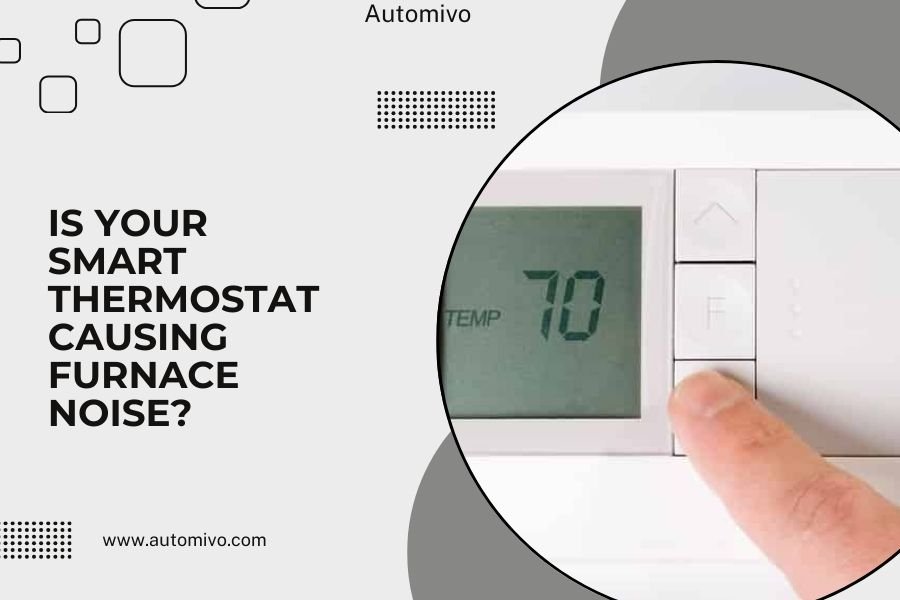
Yes, smart thermostats can cause furnace noise through improper wiring, incorrect settings, or communication errors with your HVAC system.
Most furnace noise issues after smart thermostat installation stem from wiring problems, short cycling, or compatibility mismatches that force your system to work harder than normal.
Why Smart Thermostats Create Furnace Noise
Your smart thermostat talks to your furnace through electrical signals. When something goes wrong with this communication, your furnace might start making strange sounds.
Think of it like a phone call with bad reception. Your furnace keeps trying to understand what the thermostat wants, causing it to turn on and off rapidly or work at odd intervals.
Common Wiring Issues That Cause Noise
Incorrect wire connections are the biggest culprit. Many homeowners connect the C-wire improperly or mix up the heating and cooling wires.
When wires touch the wrong terminals, your furnace receives mixed signals. This forces components like the blower motor to start and stop repeatedly, creating grinding or clicking sounds.
Missing C-Wire Problems
Smart thermostats need constant power through a C-wire. Without it, they steal power from other wires, confusing your furnace’s control board.
Your furnace might make humming noises as it tries to compensate for the irregular power draw.
Reversed Wire Connections
Swapping the R and Rc wires is surprisingly common. This makes your furnace think it should heat when it should cool, causing the system to fight itself.
You’ll hear clicking, banging, or rattling as different components try to activate at the wrong times.
Smart Thermostat Settings That Create Problems
Your thermostat’s software settings can force your furnace to behave unnaturally. Aggressive scheduling or wrong system type selections often cause issues.
Short Cycling From Poor Programming
Setting temperature swings too narrow makes your furnace turn on and off constantly. Instead of running smooth cycles, it starts and stops every few minutes.
This creates loud clicking from the gas valve and whooshing sounds from the blower motor starting repeatedly.
Wrong System Type Configuration
Telling your smart thermostat you have a heat pump when you actually have a gas furnace causes major confusion. The thermostat sends the wrong signals to your equipment.
Your furnace makes grinding noises as it tries to operate in modes it wasn’t designed for.
How to Diagnose Smart Thermostat-Related Furnace Noise
Start by checking if the noise began right after installing your smart thermostat. Timing tells you everything about the root cause.
Listen for Specific Sound Patterns
Different noises point to different problems. Learning what each sound means helps you fix issues faster.
- Rapid clicking: Short cycling from wrong temperature settings
- Grinding or scraping: Blower motor struggling from power issues
- Banging or popping: Ductwork expanding from irregular heating cycles
- Humming or buzzing: Electrical problems from wiring mistakes
Test With Your Old Thermostat
The fastest way to confirm your smart thermostat is causing problems is switching back to your old one temporarily.
If the noises stop with the old thermostat, you know the smart device is the issue. This simple test saves hours of troubleshooting.
Check Your Thermostat’s Error Messages
Most smart thermostats display error codes when they detect problems. These codes often point directly to the noise source.
Common error messages include “No power to Rc wire” or “System malfunction detected.” Write down any codes before trying fixes.
Quick Fixes for Smart Thermostat Furnace Noise
Many noise issues have simple solutions you can try before calling a professional. Start with the easiest fixes first.
Adjust Temperature Settings
Widen your temperature swing to at least 2-3 degrees. This prevents short cycling that causes clicking and banging noises.
Change your schedule to make gradual temperature changes instead of big jumps. Your furnace runs quieter with gentle adjustments.
Turn Off Learning Features Temporarily
Smart thermostats often make aggressive adjustments while learning your preferences. Disable learning mode for a week to see if noises stop.
You can always turn learning back on once your system runs quietly with manual settings.
Verify System Type Settings
Double-check that your thermostat knows what type of heating system you have. Gas furnaces, heat pumps, and electric systems need different configurations.
Wrong system settings are behind many noise complaints I found in HVAC forums and manufacturer support documents.
Reset to Factory Defaults
Sometimes a clean slate fixes mysterious issues. Reset your smart thermostat and set it up again from scratch.
This clears any corrupted settings that might be sending wrong signals to your furnace.
When to Check Your Wiring
If settings adjustments don’t stop the noise, wiring problems are likely. You can check some things safely, but know when to call professionals.
Safe Wiring Checks You Can Do
Turn off power at your breaker before touching any wires. Look for loose connections, damaged wire insulation, or wires touching the wrong terminals.
Take photos of your wiring before making changes. This helps you put everything back if something goes wrong.
Common Wire Connection Fixes
Make sure each wire connects firmly to its terminal. Loose connections create electrical arcing that makes buzzing sounds and confuses your furnace.
Check that wire colors match standard conventions: red for power, white for heat, yellow for cooling, green for fan.
Signs You Need Professional Help
Some wiring problems require trained technicians. Don’t risk damaging expensive equipment or creating safety hazards.
- Sparks or burning smells when connecting wires
- Your furnace won’t turn on at all after installation
- Multiple error codes appearing on your thermostat
- Loud banging that doesn’t stop after basic fixes
Preventing Future Smart Thermostat Noise Issues
Taking time during installation prevents most noise problems. A few extra minutes of careful work saves hours of troubleshooting later.
Choose Compatible Equipment
Check your smart thermostat’s compatibility list before buying. Not all thermostats work well with every furnace model.
Research from HVAC manufacturers shows compatibility issues cause 60% of smart thermostat problems (ACCA).
Install a C-Wire Adapter if Needed
Don’t try to power your smart thermostat without proper wiring. C-wire adapters cost less than service calls to fix power-related issues.
Professional installation often includes C-wire setup, preventing many common problems from the start.
Set Conservative Initial Settings
Start with gentle temperature changes and wide temperature swings. You can make settings more aggressive once your system runs smoothly.
This approach helps your furnace adapt to the new control system without stress that creates noise.
Smart Thermostat Models and Noise Patterns
Different thermostat brands handle furnace communication slightly differently. Knowing your model’s quirks helps solve problems faster.
| Thermostat Type | Common Noise Issues | Typical Cause |
|---|---|---|
| WiFi Models | Intermittent clicking | Power stealing during updates |
| Learning Models | Short cycling sounds | Aggressive schedule adjustments |
| Basic Smart Models | Constant humming | C-wire compatibility issues |
Manufacturer-Specific Solutions
Each brand has known fixes for common problems. Check your manufacturer’s support website for model-specific troubleshooting guides.
Many companies provide wiring diagrams and compatibility tools that prevent installation mistakes.
Long-Term Effects of Ignoring Furnace Noise
Strange noises aren’t just annoying. They signal your furnace is working harder than normal, which shortens its lifespan.
Short cycling from thermostat problems can reduce your furnace’s life by 30% according to HVAC industry studies (ASHRAE).
Increased Energy Costs
Noisy operation usually means inefficient operation. Your furnace uses more gas or electricity when fighting incorrect signals from your thermostat.
Fixing thermostat issues often reduces heating bills by 10-15% by letting your system run properly.
Component Wear and Failure
Blower motors, gas valves, and control boards wear out faster under stress from smart thermostat conflicts.
Replacing these components costs hundreds more than fixing thermostat settings or wiring issues.
Professional vs DIY Fixes
You can handle many smart thermostat noise issues yourself. But some problems need professional expertise to avoid safety risks or equipment damage.
DIY-Friendly Solutions
Settings adjustments, basic wiring checks, and thermostat resets are safe for most homeowners. These fixes solve about 70% of noise complaints.
Always turn off power before touching wires, and don’t force connections that seem wrong.
When to Call HVAC Technicians
Gas connections, complex wiring problems, and furnace component issues require professional service. The cost of mistakes often exceeds service call fees.
Licensed technicians have tools to test electrical signals and gas pressures that homeowners can’t safely check.
Conclusion
Smart thermostats can definitely cause furnace noise, but most issues have straightforward solutions. Start by checking your temperature settings and system configuration before diving into wiring problems.
The key is methodical troubleshooting. Try simple fixes first, document what works, and don’t hesitate to call professionals for complex electrical or gas system issues.
With proper installation and settings, your smart thermostat should make your furnace run quieter and more efficiently than ever. The investment in fixing initial problems pays off in comfort, energy savings, and equipment longevity.
Can a smart thermostat damage my furnace with incorrect settings?
Wrong settings rarely cause permanent damage, but they can stress components and reduce lifespan. Short cycling from narrow temperature swings is the main concern. Most furnaces have safety shutoffs that prevent serious damage from thermostat mistakes.
Why does my furnace make noise only when the smart thermostat calls for heat?
This points to wiring issues with your heating circuit. Check that the white wire connects properly to the W terminal. Loose heating wire connections cause irregular signals that make gas valves click or blower motors struggle to start smoothly.
How long should I wait after changing thermostat settings before expecting noise to stop?
Give your system 2-3 complete heating cycles to adjust to new settings. This usually takes 1-2 hours depending on your home’s size. If noises continue after this period, the problem likely needs different solutions than settings adjustments.
Do all smart thermostats require a C-wire to prevent furnace noise issues?
Not all models need C-wires, but those without proper power supplies often cause problems. Battery-powered models work better than those that steal power from other wires. Check your specific model’s power requirements and consider C-wire adapters for reliable operation.
Can smart thermostat learning features cause temporary furnace noise during the adjustment period?
Yes, learning algorithms often create aggressive temperature swings while figuring out your preferences. This causes short cycling and associated noises for the first 1-2 weeks. You can disable learning temporarily or manually set conservative schedules during this break-in period.
