

The main difference between Ecobee and Nest room sensors lies in their primary function and how they communicate temperature data. Nest sensors focus on occupancy detection to inform heating and cooling schedules, while Ecobee sensors prioritize capturing precise room temperature readings for more balanced home comfort.
Both systems aim to optimize your home’s climate. They use these extra sensors to ensure rooms are comfortable when you’re in them and save energy when you’re not. We found that understanding this core difference is key to choosing the right sensor for your smart home setup.
- Nest sensors primarily detect people.
- Ecobee sensors focus on accurate room temperature.
- Both help save energy and improve comfort.
- Your choice depends on whether you prioritize occupancy or precise temp zones.
Let’s break down exactly how these differences impact your home’s comfort and energy use.
Understanding the Key Differences: Ecobee vs. Nest Room Sensors
When you’re looking to fine-tune your home’s comfort, smart thermostat room sensors are a game-changer. They help your system understand which rooms are actually being used. This means better temperature control where you need it most. But not all sensors work the same way. Ecobee and Nest, two big names in smart home tech, have different approaches. We found that understanding these differences is key to picking the right one for your home.
Let’s break down how each sensor prioritizes your comfort and energy savings.
Nest Room Sensors: Prioritizing Occupancy and Presence
Nest’s room sensors have a primary goal: to tell your Nest thermostat if someone is actually in the room. They are built to detect people. This helps your system make smart decisions about where to direct your heating or cooling. Think of them as little occupancy detectives for your house.
Nest sensors use their detection to adjust your HVAC system. If a room is empty, your system won’t waste energy heating or cooling it. If a room is occupied, it will make sure that space reaches your desired temperature. This is especially helpful for homes with busy schedules or rooms that aren’t used all the time.
How Nest Sensors Detect Occupancy
Nest room sensors rely on built-in motion detection. They have a sensor that can pick up movement. When they sense activity, they send a signal to your Nest thermostat. This signal essentially says, “Someone’s here!” It’s a straightforward way to track room usage.
This approach is great for homes where you want to prioritize comfort in occupied spaces. If you have a home office that’s used daily, the Nest sensor will ensure it stays comfortable. When you leave the room, it signals that it’s okay to back off on the heating or cooling there. We found this system works well for busy households.
The Benefits of Nest’s Occupancy Focus
The biggest perk here is energy savings. By knowing which rooms are occupied, your Nest thermostat can avoid conditioning empty spaces. This can lead to lower energy bills. It’s a smart way to manage your home’s climate without sacrificing comfort.
Another benefit is simplified scheduling. Your Nest thermostat learns your routines. The sensors add another layer to this learning. They confirm which rooms are active at different times. This helps the thermostat create a more accurate schedule based on actual room usage. Many users report satisfaction with the energy efficiency gains.
Potential Limitations of Nest Sensors
While great for occupancy, Nest sensors aren’t designed to give you precise temperature readings for every corner of your home. They prioritize detecting people over measuring subtle temperature shifts in unoccupied areas. If you have a room that gets particularly hot or cold even when empty, a Nest sensor might not capture that detail as effectively.
The system relies on the thermostat’s main sensor and the room sensors working together. If the main thermostat is in a cooler part of the house, and you have a Nest sensor in a hot room, the system might prioritize the cooler area. This can lead to some temperature imbalances. We found this to be a key point for users seeking extreme temperature accuracy in all zones.
Ecobee Room Sensors: Focusing on Precise Temperature Readings
Ecobee sensors take a different route. Their main job is to measure the exact temperature in each room where a sensor is placed. They don’t primarily focus on whether a person is present. Instead, they give your Ecobee thermostat detailed temperature data from various points in your home.
This allows for much more granular control. Ecobee uses this temperature information to create a more balanced and comfortable environment throughout your entire house. Imagine a home where every room feels just right, regardless of its location or how often it’s used.
How Ecobee Sensors Measure Temperature
Ecobee sensors are equipped with highly accurate temperature sensors. They continuously monitor the room’s climate. This data is then sent back to the Ecobee thermostat. The thermostat uses this information to make decisions about your HVAC system.
The system is designed to average temperatures or prioritize specific rooms based on your settings. If one room is consistently warmer than another, Ecobee can compensate. This helps eliminate hot and cold spots. We found this approach leads to a more consistent feel throughout the home.
The Advantages of Ecobee’s Temperature Focus
The biggest advantage is superior comfort control. By knowing the precise temperature in different rooms, Ecobee can ensure your entire home is comfortable. This is especially beneficial for larger homes or homes with multiple floors. You can achieve a consistent temperature level everywhere.
Ecobee sensors also include occupancy detection, but it’s secondary to temperature. They do have a small motion sensor. This allows them to contribute to energy savings by indicating if a room is likely unoccupied. However, their primary function remains temperature sensing. This dual capability provides a nice balance.
When Ecobee’s Approach Might Be Less Ideal
If your absolute top priority is identifying and saving energy only in rooms that are currently occupied by people, Ecobee’s focus might be a bit different. While it does detect occupancy, its core strength lies in temperature measurement. If you have a large, open-plan living space and rarely use certain corners, the sensor might still report the temperature there, even if no one is physically present.
This means you might not see the same level of “only heat/cool when people are here” savings as with a system solely focused on occupancy. However, for overall home temperature uniformity, Ecobee is often considered superior. Many HVAC professionals recommend it for achieving balanced temperatures.
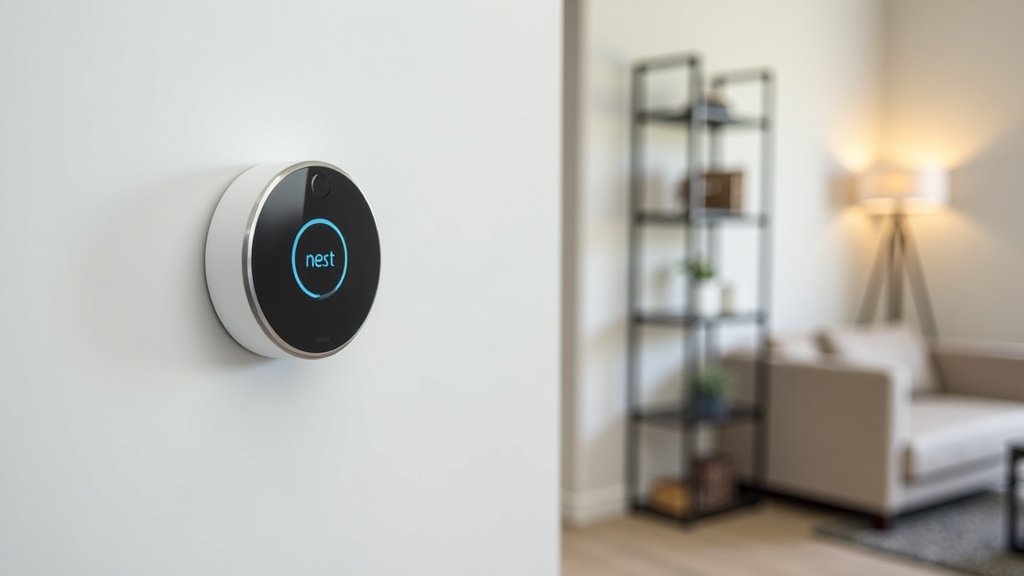
Direct Comparison: Ecobee vs. Nest Room Sensors
Let’s put these two side-by-side to see how they stack up for your smart home needs.
| Feature | Nest Room Sensor | Ecobee Room Sensor |
|---|---|---|
| Primary Function | Occupancy detection (detects people) | Precise room temperature sensing |
| Secondary Function | Temperature reporting (less emphasis) | Occupancy detection (secondary) |
| Key Benefit | Energy savings by avoiding empty rooms | Uniform comfort across all rooms |
| Ideal For | Homes prioritizing energy efficiency based on presence | Homes needing consistent temperatures and comfort zones |
| Data Provided | Presence and general temperature | Detailed temperature readings, plus presence |
| Compatibility | Works with Nest Thermostats | Works with Ecobee Thermostats |
Choosing the Right Sensor for Your Home’s Needs
So, which one is right for you? It really comes down to what you want to achieve with your smart thermostat.
If your main goal is to stop heating or cooling rooms that are empty, and you want to maximize energy savings based purely on human presence, Nest sensors might be your best bet. They are designed to be the eyes and ears of your thermostat, telling it where the action is.
On the other hand, if you struggle with hot or cold spots in your home, and you desire a consistent, comfortable temperature from room to room, Ecobee sensors will likely serve you better. They provide the detailed temperature data needed to achieve that balance. Many users find this leads to a more pleasant living environment overall.
Installation and Setup Considerations
Both Nest and Ecobee sensors are generally easy to set up. They connect wirelessly to their respective thermostats. You’ll typically need to download the smart home app for your thermostat system (Google Home for Nest, Ecobee app for Ecobee).
Within the app, you’ll pair the sensors. You can then assign them to specific rooms. You’ll also configure how the thermostat uses the sensor data. For example, with Ecobee, you can tell it to prioritize comfort in the bedroom during sleep hours. For Nest, you can see which rooms are registered as occupied. We found the setup process to be straightforward for both brands.
Integration with Your Smart Home Ecosystem
It’s important to remember that Nest sensors are designed to work specifically with Nest thermostats. Similarly, Ecobee sensors are made for Ecobee thermostats. You cannot use a Nest sensor with an Ecobee thermostat, or vice-versa. This is a critical compatibility point.
If you’re already invested in one ecosystem, sticking with that brand’s sensors makes the most sense. If you’re starting fresh, consider which thermostat brand best aligns with your overall smart home goals and other devices you plan to use. Many people choose based on their existing smart speaker ecosystem as well (Google Assistant vs. Alexa/Siri).
Making the Final Choice: What’s Your Priority?
To recap, the decision between Ecobee and Nest room sensors hinges on your primary objective:
- Energy Savings Through Presence: If your goal is to aggressively save energy by only conditioning occupied spaces, Nest’s occupancy-first approach is compelling.
- Consistent Room-to-Room Comfort: If you need to eliminate temperature disparities and ensure every area of your home is comfortable, Ecobee’s precise temperature sensing shines.
- Dual Functionality: Both offer secondary benefits. Nest provides temperature data, and Ecobee does detect occupancy. It’s about which function is the leading star.
- Existing Thermostat: The choice is often made for you if you already have a Nest or Ecobee thermostat.
- Home Layout: Large, multi-story homes might benefit more from Ecobee’s balancing act. Smaller, more open homes might see greater immediate savings with Nest’s focus on presence.
Conclusion
Choosing between Ecobee and Nest room sensors comes down to your home’s unique needs. If your top priority is saving energy by only heating or cooling occupied rooms, Nest’s presence-focused sensors are a smart choice. You’ll gain efficiency by not wasting resources on empty spaces. On the other hand, if your goal is to create a perfectly balanced and comfortable temperature throughout your entire home, Ecobee’s precise temperature monitoring offers superior control. We found that understanding whether you need occupancy detection or temperature uniformity will guide you to the right system. To make your final decision, consider which feature aligns best with your comfort goals and energy-saving ambitions.
Frequently Asked Questions
Can I use Ecobee sensors with a Nest thermostat, or vice-versa?
No, you cannot. Ecobee room sensors are designed exclusively for Ecobee thermostats, and Nest room sensors work only with Nest thermostats. They are not interchangeable due to proprietary communication protocols and system integration.
Which sensor is better for homes with frequent temperature fluctuations between rooms?
For homes experiencing significant temperature variations from room to room, Ecobee sensors are generally the better option. Their primary focus on precise temperature readings allows the thermostat to make more accurate adjustments to balance the climate across different areas.
Does Nest’s occupancy detection mean it won’t try to heat or cool an empty room at all?
Nest sensors focus on occupancy to inform schedules and prioritize comfort in occupied spaces. While they are excellent at identifying empty rooms to potentially save energy, the system might still perform minor adjustments based on overall home temperature needs. The emphasis is on actively conditioning occupied areas.
Do Ecobee sensors also help save energy, even though their main focus is temperature?
Yes, Ecobee sensors do contribute to energy savings. They include a secondary occupancy detection feature that can signal if a room is likely unoccupied, helping to reduce heating or cooling in those areas. This dual functionality offers a good balance of comfort and efficiency.
What’s the main advantage of Nest’s occupancy detection for busy households?
The main advantage for busy households is enhanced energy savings through intelligent scheduling. Nest sensors confirm which rooms are actively being used, allowing the thermostat to more efficiently direct HVAC resources and avoid conditioning spaces that are frequently empty due to varying schedules.
