
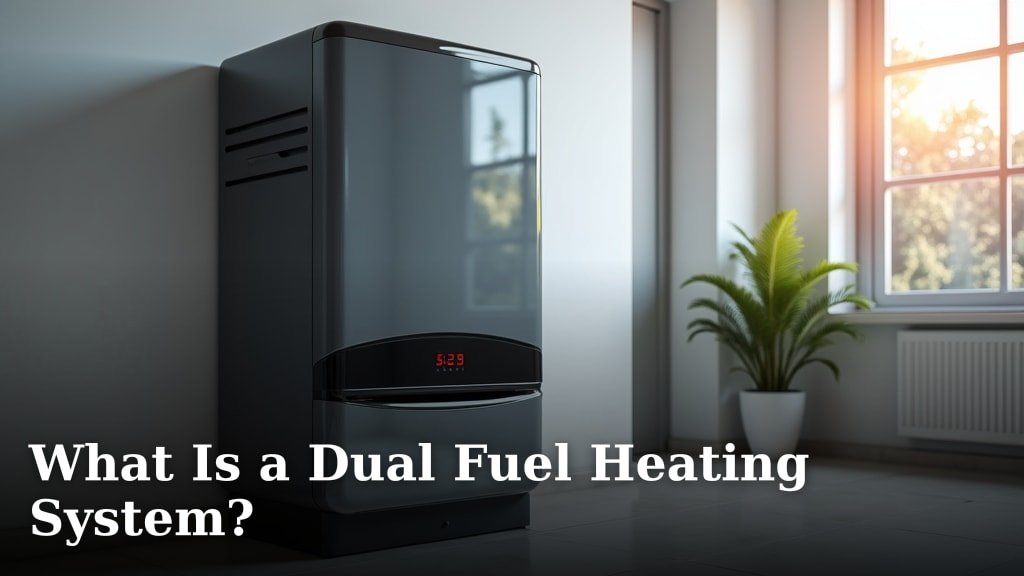
A dual fuel heating system is a smart combination of two heating sources. It uses a gas furnace for indoor air and an electric heat pump for outdoor air. This setup offers both efficiency and comfort. You get the best of both worlds for your home’s climate control.
Think of it as a heating system with a backup plan. When temperatures drop, it switches to the most efficient fuel source. This dual approach can lead to significant energy savings. Many homeowners find it a great way to manage heating costs effectively.
- What it is: A hybrid heating system.
- How it works: Uses gas and electricity.
- Key benefit: Saves energy and money.
- Best for: Homes in areas with varying temperatures.
Ready to understand how this energy-saving setup can benefit your home? Let’s break down exactly what a dual fuel heating system is and how it operates.
Understanding Your Dual Fuel Heating Setup
A dual fuel heating system cleverly combines two types of heating technology. It pairs an electric heat pump with a gas furnace. This hybrid approach offers a smart way to keep your home comfortable. You get both efficiency and reliability. It’s like having a heating superhero with two different powers.
How the Dual Fuel System Works
The magic of a dual fuel system lies in its ability to switch between heating sources. It does this based on the outside temperature. This ensures you’re always using the most cost-effective method. You don’t have to manually adjust a thing. The system handles it all for you.
The Role of the Electric Heat Pump
Your heat pump is the primary heater when the weather is mild. It works by extracting heat from the outside air. Even when it feels cold, there’s still heat energy available. The heat pump then transfers this heat inside your home. This process is very energy-efficient. It uses less electricity than traditional electric resistance heating. Think of it like a refrigerator running in reverse.
When the Gas Furnace Takes Over
As outdoor temperatures drop significantly, the heat pump’s efficiency decreases. This is where your gas furnace shines. When the temperature falls below a certain point, the system automatically switches to the gas furnace. The furnace burns natural gas or propane to generate heat. This is a more powerful heating method for very cold days. It ensures your home stays toasty warm, no matter the weather.
The Smart Thermostat: The Conductor of the Orchestra
The brain behind this operation is a smart thermostat. This advanced thermostat is programmed to know when to switch. It monitors the outdoor temperature. It also knows the efficiency of both your heat pump and furnace. Based on this data, it makes the decision for you. It’s designed to optimize both comfort and savings. You can often customize settings too. This gives you more control over your home’s climate.
Benefits of a Dual Fuel Heating System
Choosing a dual fuel system can bring a lot of advantages to your home. It’s a popular choice for many homeowners. Let’s look at why it’s so appealing.
Energy Efficiency and Cost Savings
This is arguably the biggest perk of a dual fuel system. Heat pumps are incredibly efficient in moderate temperatures. They use electricity to move heat, not create it from scratch. This requires less energy than burning fuel. Many studies show heat pumps can be 300-400% efficient (Energy.gov). When outdoor temperatures drop, switching to a gas furnace can also be more cost-effective than relying solely on an electric heat pump. This combination means you’re always using the most economical method. This can lead to noticeable reductions in your energy bills. You’re essentially hedging your bets against rising energy prices.
Enhanced Comfort and Reliability
Dual fuel systems offer a consistent and comfortable home environment. The heat pump provides gentle, even warmth during milder weather. When it gets really cold, the gas furnace delivers powerful heat. This ensures you never feel a chill. You have reliable heat regardless of how extreme the weather gets outside. It’s like having a backup generator for your comfort. You don’t have to worry about being left in the cold.
Reduced Carbon Footprint
By using a heat pump when possible, you reduce your reliance on fossil fuels. Heat pumps run on electricity, which can be generated from renewable sources. This makes them a more environmentally friendly option. While the gas furnace does produce emissions, its use is limited to colder periods. This hybrid approach can lower your home’s overall carbon footprint. It’s a step towards more sustainable living. Many homeowners are looking for ways to be greener.
Longer Lifespan for Equipment
When your heat pump and furnace share the workload, neither system is overworked. The heat pump handles the easier tasks in milder weather. The furnace is used for the more demanding cold snaps. This balanced usage can help extend the lifespan of both units. Less strain means fewer repairs and a longer service life. This is a win-win for your wallet and your peace of mind. You won’t need replacements as often.
Comparing Dual Fuel to Other Systems
It’s helpful to see how a dual fuel system stacks up against common heating setups. This comparison can highlight its unique advantages.
Dual Fuel vs. All-Electric Systems
An all-electric system might use a heat pump with electric resistance backup. Electric resistance heat is notoriously expensive to run. It generates heat by passing electricity through coils, much like a toaster. Dual fuel systems are generally more cost-effective. They use the less expensive natural gas during peak cold. This smart switch avoids those high electric resistance bills. You get efficient heating without the sky-high costs.
Dual Fuel vs. All-Gas Systems
An all-gas system relies solely on a furnace. While gas is often cheaper than electricity, a heat pump can be more efficient in milder temperatures. A heat pump uses less energy to provide warmth when it’s not extremely cold. An all-gas system might not offer the same level of efficiency during these shoulder seasons. Dual fuel offers that flexibility. It can tap into the efficiency of the heat pump when it makes sense.
Dual Fuel vs. Geothermal Systems
Geothermal systems are highly efficient. They use the stable temperature of the earth to provide heat. However, they have a significant upfront installation cost. This is due to the extensive groundwork required. Dual fuel systems typically have a lower initial investment. They utilize existing ductwork and outdoor units. While geothermal might offer higher long-term efficiency, dual fuel provides a strong balance of cost and performance. It’s often a more accessible option for many homeowners.
Who Benefits Most from a Dual Fuel System?
Not every home is the ideal candidate for a dual fuel setup. However, many homeowners stand to gain a lot. Consider these factors:
- Your local climate: Areas with distinct seasons, experiencing both mild and very cold temperatures, are perfect.
- Fuel availability: You’ll need access to natural gas or propane for the furnace.
- Energy costs: If electricity prices are moderate and gas prices are reasonable, it’s a good balance.
- Existing infrastructure: Having existing ductwork makes installation easier.
Think of it as a tailored solution. It adapts to your specific region’s needs. It offers a practical approach to managing your home comfort.
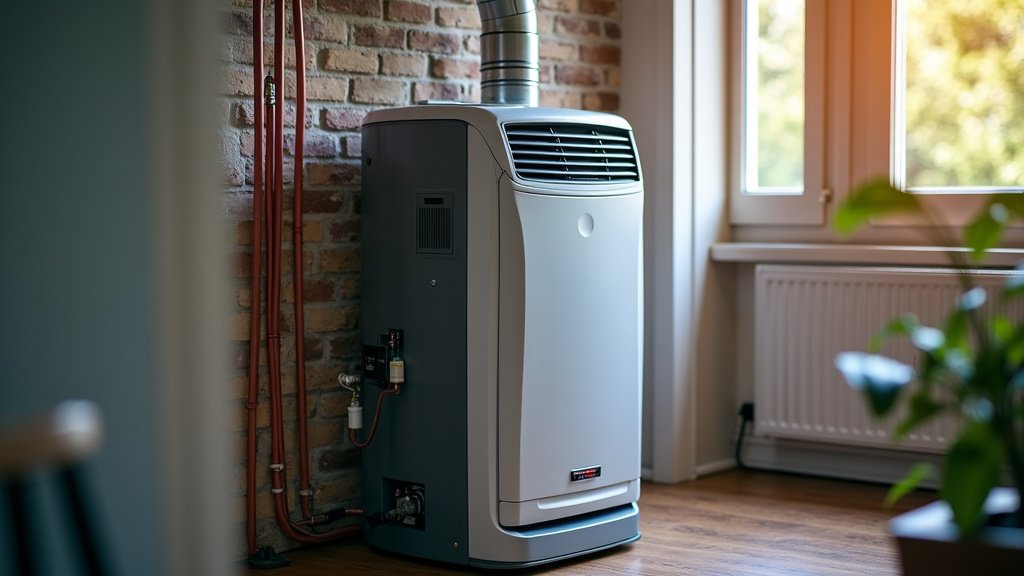
Key Considerations When Choosing a Dual Fuel System
Before you decide, there are a few things to think about. Making an informed choice is key to satisfaction. You want to ensure it’s the right fit for your household.
Installation Costs
Installing a dual fuel system involves two main components: a heat pump and a gas furnace. This means the initial cost can be higher than a single-fuel system. However, many homeowners find that the long-term energy savings make up for the upfront investment. It’s important to get quotes from reputable HVAC professionals. Compare the total cost of the system and installation.
Maintenance Requirements
Like any complex system, regular maintenance is essential. You’ll need to have both the heat pump and the furnace serviced annually. This ensures they operate efficiently and safely. It also helps prevent costly breakdowns. Keeping filters clean is also crucial for both components. Your HVAC technician will provide a maintenance schedule. Following it diligently is key.
Finding the Right Contractor
The installation of a dual fuel system is not a DIY job. You’ll need a qualified HVAC contractor. They need experience with both heat pumps and gas furnaces. A good contractor will assess your home’s needs. They’ll recommend the right-sized equipment. They will also ensure the system is installed correctly. This is crucial for optimal performance and efficiency. Check reviews and ask for references.
Is a Dual Fuel System Right for Your Home?
A dual fuel heating system offers a smart, efficient, and reliable way to keep your home comfortable year-round. By combining the strengths of electric heat pumps and gas furnaces, it provides optimized performance based on outdoor conditions. This can lead to significant energy savings and a more consistent indoor climate. If you live in an area with fluctuating temperatures, a dual fuel system is definitely worth considering.
Your Dual Fuel Checklist
To help you decide, ask yourself these questions:
- Does your region experience both mild and very cold winter days?
- Are you looking for ways to reduce your energy bills?
- Do you want a reliable heating system that won’t quit in the cold?
- Is access to natural gas or propane available at your home?
- Are you prepared for the initial investment, offset by long-term savings?
- Do you plan to get multiple quotes from qualified HVAC professionals?
Conclusion
You’ve learned that a dual fuel heating system is a smart way to keep your home comfortable and save money. It expertly combines a heat pump and a gas furnace. This setup automatically chooses the most efficient heating method based on the weather. You get reliable warmth and lower energy bills. It’s a fantastic option for homes in areas with varied climates. Ready to see if this system fits your needs? Your next step is to research local HVAC contractors. Get quotes and discuss how a dual fuel system can benefit your specific home.
Frequently Asked Questions
How often does a dual fuel system switch between heat pump and furnace?
The switch is controlled by your smart thermostat. It typically happens when the outdoor temperature drops below a preset point. This is usually when the heat pump becomes less efficient than the gas furnace.
Can I use a dual fuel system if I don’t have natural gas lines?
Yes, you can. Your gas furnace can also run on propane. You would need a propane tank on your property to store the fuel.
How much money can a dual fuel system save me?
Savings vary based on your local energy costs and climate. However, many homeowners see a noticeable reduction in heating bills. This is due to the heat pump’s efficiency in mild weather and the furnace’s cost-effectiveness in cold.
What kind of maintenance does a dual fuel system require?
Both the heat pump and the furnace need regular maintenance. Annual check-ups by a qualified technician are recommended. Changing air filters regularly is also essential for optimal performance.
Is a dual fuel system more expensive to install than a single system?
Typically, the initial installation cost is higher. This is because you are installing two distinct heating units. However, the long-term energy savings often make up for this higher upfront investment.
