
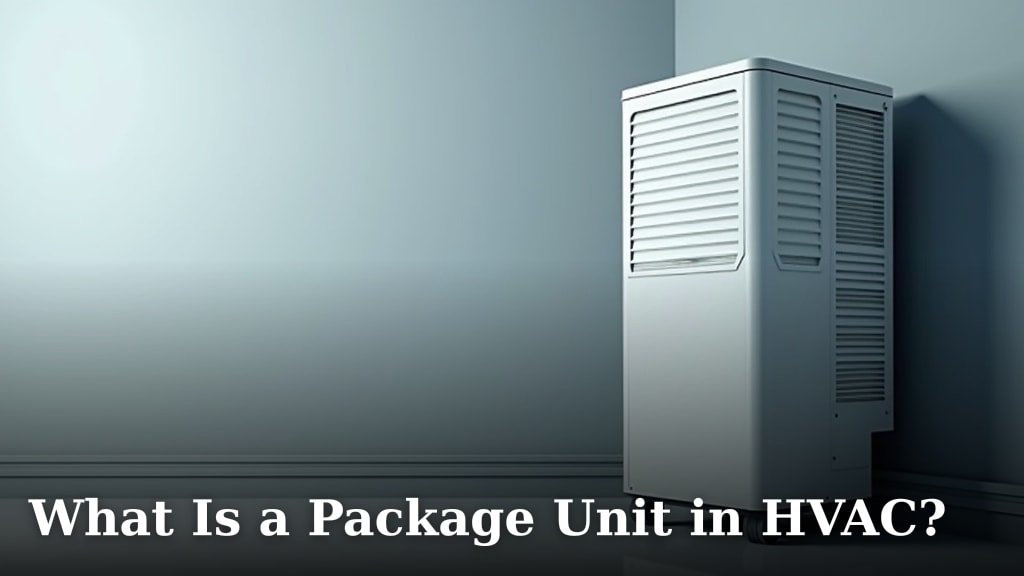
A package unit in HVAC is a self-contained heating and cooling system. It houses all major components like the compressor, condenser, and evaporator in a single cabinet. This is often found on the rooftop or beside a building. They are a popular choice for commercial buildings and some homes.
Unlike split systems that have indoor and outdoor components, package units keep everything together. This design simplifies installation and maintenance. We found that they can be a very efficient option for certain properties. They deliver both heating and cooling from one convenient unit.
- A package unit is one single box for HVAC.
- It contains heating and cooling parts inside.
- Commonly seen on commercial building roofs.
- Offers a simpler setup than split systems.
- A good option for saving space.
Ready to learn more about these all-in-one HVAC marvels? Let’s break down exactly what makes them tick and if one might be right for your needs.
Understanding the All-in-One HVAC Package Unit
So, you’ve heard about package units, but what exactly are they in the world of HVAC? Think of them as the ultimate space-savers. They pack all your essential heating and cooling machinery into a single, robust cabinet. You’ll often see these units perched on the rooftops of commercial buildings. They can also be found on a concrete slab next to a home.
Unlike the more common split systems, which have an outdoor condenser unit and an indoor air handler, a package unit keeps everything contained. This design has some really smart advantages, especially when it comes to installation and maintenance. We found that for certain properties, these units can be a surprisingly efficient choice.
Key Components of a Package Unit
Since it’s all in one box, let’s break down what’s inside that versatile cabinet. Understanding these parts helps you appreciate how the unit keeps your space comfortable.
The Compressor: The Heart of the System
The compressor is like the engine of your air conditioner. It compresses refrigerant, which is a fluid that absorbs and releases heat. This process is essential for moving heat from inside your building to the outside during the cooling cycle. During the heating cycle, it reverses this process to bring heat inside.
The Condenser Coil and Fan: Releasing Heat
The condenser coil’s job is to release the heat that the refrigerant has absorbed. A fan blows air across this coil, carrying the heat away. You’ll typically find this part on the exterior of the unit. It’s designed to handle the heat rejection efficiently, especially during those hot summer months.
The Evaporator Coil and Fan: Absorbing Heat
On the flip side, the evaporator coil is where the magic of cooling happens indoors. Refrigerant flows through this coil, absorbing heat from the air inside your building. The indoor fan then circulates this cooled air back into your ducts. This is the part that makes your space feel nice and chilly.
The Heating Component: Keeping You Warm
Package units can provide both heating and cooling. The heating can come in a few different forms. Some units use electric resistance heating elements, similar to a giant toaster. Others might use a gas furnace (propane or natural gas) or even a heat pump. The type of heating depends on the specific model and your local climate. We found that gas-heated units are very common in colder regions.
How Does a Package Unit Work?
The operation of a package unit is a clever dance between its components. Let’s walk through the cooling and heating cycles.
The Cooling Cycle Explained
When you set your thermostat to cool, the system gets to work. The indoor fan draws warm air from your building across the cold evaporator coil. This coil is filled with a cold refrigerant. The refrigerant absorbs the heat from the air. The now-cooled air is then pushed back into your home. Meanwhile, the refrigerant carries that absorbed heat to the compressor. The compressor sends it to the condenser coil. Here, the outdoor fan blows air across the coil, releasing the heat outside. It’s a continuous loop to keep you comfortable.
The Heating Cycle Explained
When it’s time to heat, the process changes. If you have an electric resistance heater, electricity flows through coils, generating heat. This heated air is then distributed through your ducts. If you have a gas furnace, it ignites natural gas or propane to create heat. This hot combustion air is then pushed into your ductwork. A heat pump package unit works more like an air conditioner in reverse. It absorbs heat from the outside air and transfers it inside. Many sources suggest heat pumps can be very energy-efficient, especially in milder climates (U.S. Department of Energy).
Where Are Package Units Typically Found?
You’ve probably seen them without even realizing it! Their placement is often dictated by the need for space and direct outdoor air access.
Rooftop Installations: The Classic Commercial Choice
For commercial buildings, the rooftop is prime real estate for package units. This keeps the noisy machinery away from people inside. It also frees up valuable ground space for parking or landscaping. Plus, it’s easy to run ductwork down into the building from above. Many building codes even prefer rooftop placements for HVAC systems.
Ground-Level Placement: For Homes and Smaller Buildings
While less common than on rooftops, package units are sometimes used for homes or smaller commercial spaces. In these cases, they’re often placed on a concrete slab next to the building. This is a good option when there isn’t enough attic space or when a rooftop installation isn’t feasible or cost-effective. You might also see them in areas where extreme weather conditions could impact rooftop units.
Package Unit vs. Split System: What’s the Difference?
You’re likely familiar with split systems, as they’re quite common in residential settings. Let’s compare them directly to package units.
| Feature | Package Unit | Split System |
|---|---|---|
| Components | All in one cabinet (indoor & outdoor) | Outdoor unit (condenser) & indoor unit (air handler/furnace) |
| Installation Location | Rooftop or ground slab | Outdoor unit outside, indoor unit in attic, basement, or closet |
| Space Requirements | Requires space for the single cabinet | Requires space for both outdoor unit and indoor unit |
| Ductwork | Ducts connect directly to the unit | Ducts connect to the indoor unit |
| Maintenance Access | All components accessible from one cabinet | Components are in separate locations |
| Noise Level | Can be noisier if placed near occupied spaces (though rooftop helps) | Compressor noise is outside, indoor unit is quieter |
As you can see, the main distinction is the consolidation of parts. A package unit is the all-in-one solution, while a split system divides the work between two locations. We found that the ease of access for maintenance on a package unit can be a significant benefit.
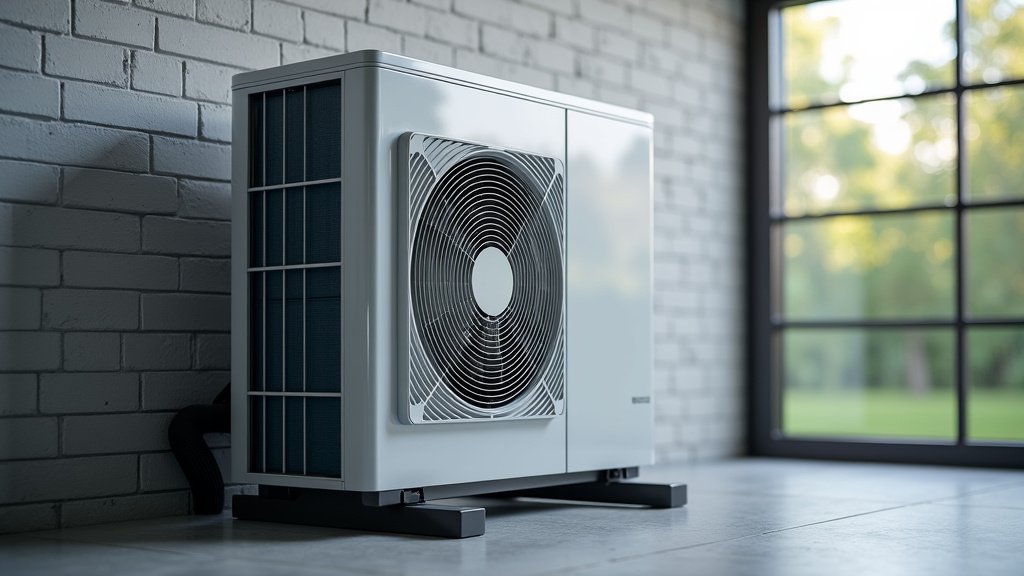
Advantages of Package Units
Why might someone choose a package unit? They offer several compelling benefits.
Space-Saving Design
This is arguably the biggest perk. By housing everything in one cabinet, package units free up indoor space. This is invaluable for buildings where every square foot counts. It’s also a great solution if you simply don’t have suitable space for a separate indoor furnace or air handler. Many homeowners find this particularly appealing.
Simplified Installation
Installation is often less complex and faster. Since all the components are pre-assembled in one unit, HVAC technicians can install it more quickly. They simply need to connect the ductwork, electrical supply, and gas line (if applicable). This reduced labor can sometimes translate into lower installation costs. Experts often note that simpler installation means fewer potential points of failure during setup.
Easier Maintenance and Repair
When it’s time for servicing or repairs, technicians only need to access one location. All the major components are readily available in the single cabinet. This can make diagnostics and fixes more straightforward and potentially quicker. We found that this centralized access is a major plus for building managers and homeowners alike.
Potential Cost Savings
While the initial purchase price can vary, the simplified installation of package units can lead to overall cost savings. Additionally, some models are designed for energy efficiency. Choosing a high-efficiency unit can lower your monthly utility bills. Research indicates that modern package units can meet stringent energy efficiency standards, like ENERGY STAR.
Potential Drawbacks to Consider
While package units have their strengths, it’s important to be aware of potential downsides.
Noise Considerations
Because all the machinery is in one unit, package units can be noisier than split systems, especially if placed at ground level near living spaces. Rooftop installations mitigate this significantly. However, if you’re considering a ground-level unit, noise levels might be a factor.
Exposure to Elements
Units installed outdoors are directly exposed to weather. This can potentially lead to wear and tear over time. Proper maintenance and protective measures are essential to ensure longevity. Extreme weather conditions can put a strain on any outdoor equipment.
Limited Customization for Larger Spaces
For very large or complex buildings, a single package unit might not provide sufficient heating or cooling capacity. In such cases, multiple units or a different system design might be necessary. Split systems can sometimes offer more flexibility in zoning for diverse temperature needs across a large property.
Choosing the Right Package Unit for Your Needs
When you’re considering a package unit, think about these key factors.
- Size and Capacity: Ensure the unit is sized correctly for your building’s square footage and insulation levels.
- Energy Efficiency: Look for high SEER (Seasonal Energy Efficiency Ratio) and HSPF (Heating Seasonal Performance Factor) ratings.
- Fuel Type: Decide between electric, gas, or heat pump heating based on your climate and utility costs.
- Noise Ratings: If noise is a concern, check the decibel (dB) rating of the unit.
- Warranty and Support: Understand the manufacturer’s warranty and the availability of local service technicians.
We found that taking the time to assess these points thoroughly will help you make an informed decision.
Conclusion
You’ve now learned that a package unit in HVAC is a smart, all-in-one system. It houses all essential heating and cooling components in a single cabinet, often seen on rooftops or next to buildings. We found that their space-saving design and simplified installation make them a great option. While they have potential drawbacks like noise, their ease of maintenance is a major plus. If you’re considering an HVAC upgrade, assessing your specific needs and consulting with a professional about package units is your next best step.
Frequently Asked Questions
Are package units more expensive than split systems?
The initial cost of a package unit can vary. However, their simplified installation often leads to lower overall costs. We found that the total cost depends heavily on the specific model and installation complexity.
How often should I maintain my package unit?
It’s generally recommended to have your package unit inspected and maintained annually. This helps ensure it runs efficiently and catches potential issues early. Regular filter changes are also key for optimal performance.
Can a package unit heat and cool my entire home?
A single package unit can effectively heat and cool a home if it’s properly sized for the square footage. For very large or unusually laid-out homes, multiple units or a different system might be more suitable.
What kind of warranty should I expect on a package unit?
Most manufacturers offer warranties that cover parts and labor for a set period, often ranging from 5 to 10 years. We found that extended warranties are sometimes available for purchase. Always check the warranty details before buying.
Where is the best place to install a package unit for a home?
For homes, a package unit is often placed on a concrete slab beside the house. This location provides easy access for maintenance and keeps operational noise away from living spaces. Rooftop installation is less common for residential applications.
