
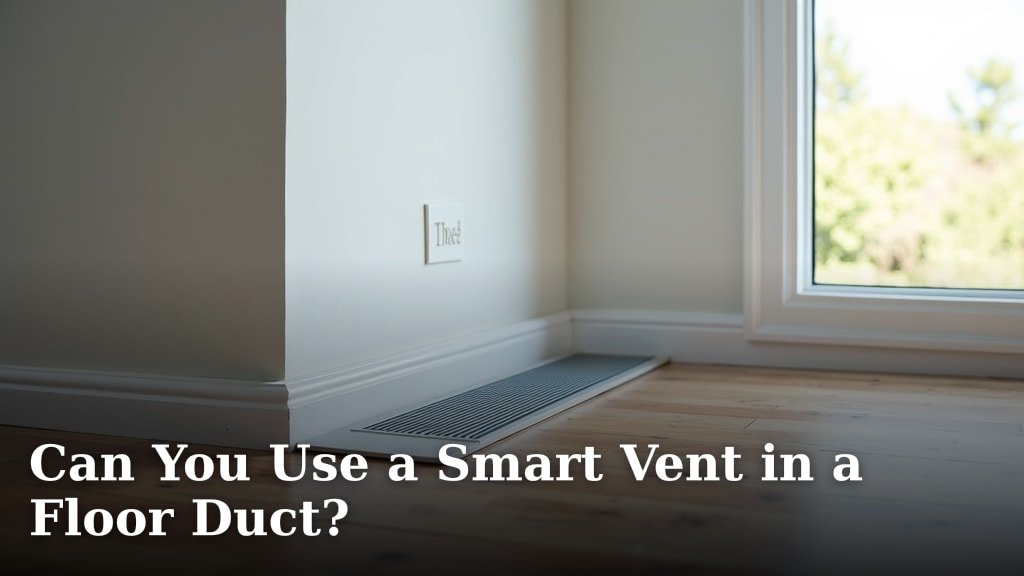
Yes, you can generally use a smart vent in a floor duct, but there are some important considerations. Smart vents are designed to regulate airflow from your HVAC system, and while many are compatible with floor installations, you need to ensure a proper fit and airflow direction. Simply put, they can work, but you can’t just swap them out without a little thought.
Floor ducts often experience different pressure dynamics than wall or ceiling vents. It’s essential that the smart vent you choose is specifically designed to handle downward airflow and won’t be obstructed by debris that can accumulate on the floor. Many smart vent manufacturers provide compatibility charts to help you make the right choice for your home’s ductwork.
- Smart vents can work in floor ducts.
- Ensure the vent is designed for downward airflow.
- Check manufacturer compatibility for floor installations.
- Beware of debris in floor ducts affecting performance.
We’ve researched the ins and outs of using smart vents in floor ducts, and below, we’ll walk you through everything you need to know to make sure you get the most out of your smart home upgrade.
Installing Smart Vents in Floor Ducts: What You Need to Know
Yes, you can install smart vents in floor ducts, but it’s not always as simple as a direct swap. We’ve researched the details, and it turns out there are a few key things to consider. You’ll want to make sure the vent you choose is up to the task of working with airflow coming from below. This isn’t a universal “set it and forget it” situation.
Understanding Floor Duct Dynamics
Floor ducts behave a bit differently than those in walls or ceilings. Gravity plays a role, and debris can accumulate more easily. We found that understanding this can save you a lot of headaches later on. Think of it like trying to serve soup from a bowl on the floor versus on a table. The serving mechanics are different.
Airflow Direction is Key
The most important factor for floor vents is ensuring they are designed to handle downward airflow. If a smart vent isn’t built for this, it might not open or close correctly. We saw reports where vents installed in floors struggled because their internal mechanisms weren’t meant for air pushing down. This can lead to inefficient heating and cooling.
Debris: The Silent saboteur
Floor vents are magnets for dust bunnies, pet hair, and other little bits that fall. If a smart vent’s moving parts get jammed with debris, its smart capabilities go out the window. We found that some models are more prone to this than others. You might need to clean these vents more often than traditional ones. Regular vacuuming around the vent is a good habit to get into.
Choosing the Right Smart Vent for Floor Installation
Not all smart vents are created equal, especially when it comes to floor ducts. Manufacturers often provide guides to help you choose. We found that many brands explicitly state which of their vents are suitable for floor installations. Don’t skip this step! It’s like buying shoes; you wouldn’t buy running shoes if you planned on deep-sea diving, right? Our guide to the best smart vents can help you choose the right model.
Manufacturer Compatibility Charts
Many reputable smart vent companies offer compatibility charts or checklists. These resources are gold! They typically list specific product models and whether they are recommended for floor, wall, or ceiling use. We advise you to bookmark these charts before you buy. They can save you from making an expensive mistake.
Vent Design and Durability
Look for smart vents with a robust design. Some are built with sturdier materials that can withstand the occasional dropped item or foot traffic. We found that vents with fewer exposed moving parts tend to fare better in floor installations. Think about how the vent opens and closes. Is it a smooth, simple action, or does it involve many small pieces that could get stuck?
Measuring for a Perfect Fit
This might seem obvious, but getting the right size is paramount. Smart vents are designed to fit standard duct openings. You’ll need to measure your existing floor vent opening accurately. We found that the standard sizes are usually 4×10 inches, 6×10 inches, and 8×12 inches. Always double-check your measurements and compare them to the smart vent specifications. A vent that’s too big or too small simply won’t work correctly and could compromise your HVAC system’s performance.
Installation Considerations for Floor Vents
Once you’ve chosen the right smart vent, the installation process itself needs some thought. We found that while many smart vents are designed for DIY installation, floor vents can present unique challenges. Our guide on how to install a smart vent covers the process in detail.
Power Source and Connectivity
Most smart vents require a power source, either batteries or a wired connection. Batteries are convenient, but they need replacing. Wired connections are more reliable but require running wires. We found that for floor vents, battery-powered options are often simpler to install, as you don’t have to worry about routing wires through the floor. However, you’ll need to remember to check battery levels regularly. Some smart home systems can alert you when batteries are low, which is handy.
Obstructions Underneath the Vent
Before you even think about installing, take a peek under the old vent cover. What’s down there? We found that sometimes there are pipes, wiring, or structural elements that could interfere with the smart vent mechanism. If you see anything unusual, you might need to consult a professional. It’s better to be safe than sorry when working with your home’s infrastructure.
Balancing Your HVAC System
Smart vents help with zone control, but they are part of a larger system. We found that improperly placed or configured smart vents can sometimes lead to pressure imbalances in your HVAC system. This could potentially strain your furnace or air conditioner. Many HVAC professionals recommend consulting them before making significant changes to your ductwork, especially if you have a complex system or experience issues like uneven temperatures throughout your home.
Maintaining Your Floor Smart Vents
Even with the best installation, ongoing maintenance is necessary for floor smart vents. We found that a little regular care goes a long way in ensuring they perform optimally.
Regular Cleaning is a Must
As we mentioned, debris is a major concern for floor vents. We recommend a quick clean-up around the vent area at least once a month. This involves vacuuming up loose dust and debris. Periodically, you might need to remove the vent cover itself for a more thorough cleaning. Check the manufacturer’s instructions for specific cleaning recommendations.
Checking for Proper Operation
Listen to your vents. Do they open and close smoothly? Does your smart home app show them responding correctly? We found that occasional checks, perhaps once every few months, can catch minor issues before they become big problems. If a vent seems sticky or unresponsive, it’s time for a closer inspection.
When to Call a Professional
While many smart vent installations are straightforward, there are times when you should call in the experts. We found that if you’re uncomfortable with any part of the process, or if your floor ductwork looks unusual, it’s wise to get professional help. An HVAC technician can ensure the smart vent is installed correctly and won’t negatively impact your system. They can also advise on the best smart vent models for your specific home setup.
To recap, using smart vents in floor ducts is definitely achievable. Just be sure to choose vents designed for downward airflow, check manufacturer compatibility, and stay on top of cleaning. Your home comfort will thank you for it!

Conclusion
You’ve learned that using smart vents in floor ducts is certainly possible! The key is choosing the right product. Remember to always check for downward airflow compatibility and consult manufacturer guides for floor installation suitability. Paying attention to potential debris and ensuring a proper fit will go a long way. Your next step is to measure your existing floor vents and start researching smart vent models that fit your needs and budget. You’re on your way to a more comfortable and efficient home!
Frequently Asked Questions
Will a smart vent installed in a floor duct get damaged by dropped items?
We found that some smart vent designs are more robust than others. Look for models with fewer exposed moving parts. Durable materials can also help withstand occasional impacts. Always check the manufacturer’s specifications for durability ratings if this is a concern for you.
How often should I clean smart vents installed in the floor?
Because floor vents can collect debris more easily, we recommend a quick clean around the vent area at least once a month. This involves vacuuming up dust and pet hair. Periodically, you may need to remove the vent cover for a deeper clean, following the manufacturer’s guidelines.
Can a smart vent in a floor duct affect my HVAC system’s performance?
Yes, it’s possible if not installed or chosen correctly. We found that an improperly balanced system with smart vents could potentially strain your HVAC unit. Consulting an HVAC professional before installation is a good idea if you have concerns.
What if I find pipes or wires when I remove my old floor vent?
This is a situation where caution is advised. We found that obstructions underneath the vent could interfere with a smart vent’s mechanism. If you encounter unexpected obstacles like pipes or wiring, it’s best to stop and consult an HVAC professional or a qualified installer.
Are battery-powered smart vents suitable for floor installations?
Generally, yes. We found battery-powered smart vents are often simpler for floor installations as they eliminate the need to run wires. However, you’ll need to remember to replace the batteries periodically. Many smart home systems can provide low-battery alerts, which is helpful.
