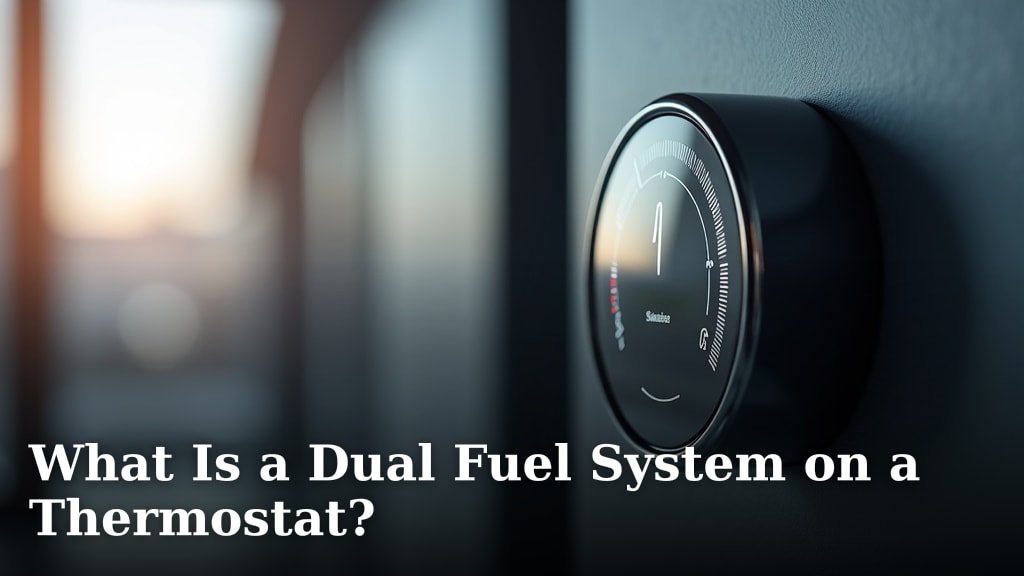
A dual fuel system on a thermostat is a smart way to heat and cool your home using different energy sources for maximum efficiency. It allows your thermostat to automatically switch between your gas furnace and an electric heat pump based on outdoor temperature. This intelligent management helps save energy and lower utility bills by choosing the most cost-effective option for the weather. It’s a system designed to keep you comfortable while being kind to your wallet.
When the weather outside is mild, your system will likely use the more efficient electric heat pump. As temperatures drop and it gets colder, the thermostat will smartly switch over to your more powerful gas furnace. We found that this automatic switching is key to its energy-saving capabilities. Many experts agree that this dual approach offers a balanced solution for year-round home comfort. It’s like having the best of both worlds when it comes to climate control.
- A dual fuel system uses two energy sources.
- It switches automatically between a heat pump and furnace.
- This maximizes efficiency and saves money on bills.
- It’s controlled by your smart thermostat’s settings. Explore the best smart thermostat’s settings for optimal control.
- Great for year-round comfort in changing weather.
Ready to understand how this clever setup works in more detail? Let’s dive into what makes a dual fuel system so effective for your home.
Your home’s heating and cooling system works hard to keep you comfortable. But did you know it could be working smarter, not just harder? A dual fuel system on your thermostat is the key. It’s like having a super-smart assistant that chooses the best way to heat or cool your house. Let’s unpack how this clever setup can benefit your comfort and your budget.
Understanding How Dual Fuel Systems Work
A dual fuel system is a brilliant combination of two heating and cooling technologies. Your thermostat orchestrates these two sources. It decides when to use which, based on the outside temperature. This means you get efficient heating and cooling all year long. It’s designed to **optimize comfort and energy use**. We found that this system provides a well-rounded approach to home climate control.
The Two Components: Heat Pump and Furnace
At its heart, a dual fuel system involves two main players: an electric heat pump and a gas furnace. Think of them as your home’s climate control dream team. They work together to keep you perfectly comfortable, no matter the season. Each brings its own strengths to the table.
The Role of the Electric Heat Pump
Your heat pump is incredibly efficient when the weather is mild. It doesn’t create heat; it moves it. In the summer, it pulls heat from inside your home and sends it outside. In the winter, it reverses the process, pulling heat from the outside air and bringing it inside. Many energy experts point out that heat pumps use much less energy than electric resistance heating (like space heaters) when temperatures are moderate (ENERGY STAR).
This makes it a **fantastic option for spring and fall**. It’s like a gentle, efficient way to warm or cool your home. When the outdoor temperature is above freezing, the heat pump is usually your most cost-effective choice. We found that its ability to move heat is key to its energy savings during these shoulder seasons.
The Power of the Gas Furnace
When temperatures really drop, especially below freezing, the heat pump starts to work harder. It has to pull heat from very cold air, which uses more energy. That’s where your gas furnace steps in. Furnaces are built to generate a lot of heat quickly. They are very powerful and reliable in colder climates. Research from the Department of Energy suggests that natural gas furnaces can provide consistent, robust heat even on the coldest days.
Your furnace is your powerhouse for winter. It kicks in when the heat pump might struggle or become less efficient. This ensures your home stays warm and cozy, even when the wind is howling outside. It’s the **dependable backup for extreme cold**. This partnership is what makes the dual fuel system so versatile.
How Your Thermostat Manages the Switch
The real magic happens with your thermostat. It’s the brain of the operation. You don’t have to do anything; it handles the switching automatically. You set your desired temperature, and the thermostat does the rest. It constantly monitors the outdoor temperature and your home’s indoor conditions.
Setting the Changeover Temperature
The crucial setting is the “changeover temperature.” This is the outdoor temperature at which your thermostat decides it’s more efficient to switch from the heat pump to the gas furnace. For example, you might set this at 35°F (or whatever your HVAC professional recommends). When the outdoor temperature drops to 35°F or below, the thermostat will activate the furnace. When it rises above that point, it will switch back to the heat pump.
This setting is critical for **maximizing your savings**. A properly set changeover temperature ensures you’re always using the most economical energy source. Many HVAC professionals recommend an optimal range based on your local climate and energy costs. We found that consulting with an expert can help you fine-tune this setting.
Intelligent Operation and Energy Savings
This automatic switching is where the significant energy savings come from. By using the highly efficient heat pump during milder weather and reserving the more powerful (but often more expensive to run in milder temps) furnace for when it’s truly needed, you reduce overall energy consumption. Studies have shown that using a dual fuel system can lead to notable reductions in heating costs, especially in regions with variable winter temperatures (Consumer Reports).
It’s about **smart energy management**. Your system isn’t just running; it’s thinking. It’s choosing the most budget-friendly and energy-conscious option for the current conditions. This intelligent design helps reduce your carbon footprint too. We found that users often report lower utility bills after upgrading to a dual fuel setup.
Benefits You Can Expect from a Dual Fuel System
Switching to a dual fuel system can bring a host of advantages to your home. It’s not just about saving money; it’s about enhancing your overall comfort and the performance of your HVAC equipment. Let’s look at what you can gain.
Enhanced Energy Efficiency
As we’ve discussed, efficiency is a primary benefit. By leveraging the strengths of both a heat pump and a furnace, you minimize energy waste. The heat pump excels in moderate temperatures, using less electricity than other electric heating methods. The furnace provides powerful, efficient heat when it’s truly cold. This **balanced approach cuts down on unnecessary energy use**. Research indicates that homes utilizing dual fuel systems often see improved energy efficiency ratings.
Cost Savings on Utility Bills
Reduced energy consumption directly translates to lower utility bills. When your thermostat smartly selects the cheaper operating mode, your monthly costs decrease. This is especially true in areas where electricity prices and natural gas prices fluctuate significantly. Many homeowners report noticing a **tangible difference in their heating expenses**. We found that the savings can be particularly pronounced during transitional weather periods like spring and fall.
Improved Year-Round Comfort
Dual fuel systems offer superior comfort. The heat pump provides consistent, less intense heat in milder weather, avoiding the dry, blast-furnace feel some people associate with furnaces. When it gets truly cold, the powerful furnace ensures your home is quickly and thoroughly warmed. This means you get **optimal comfort no matter the season**. Many users find this consistent and appropriate level of heating more pleasant.
Extended Equipment Lifespan
By distributing the workload between two systems, neither component has to run constantly in less-than-ideal conditions. The heat pump isn’t overworked trying to extract heat from frigid air. The furnace isn’t firing up for minor temperature dips. This reduced strain can lead to **longer operational life for both your heat pump and furnace**. Experts suggest that balanced usage can prevent premature wear and tear.
Environmentally Friendlier Operation
Using less energy means a smaller environmental impact. Heat pumps, especially when powered by renewable electricity, are a greener heating option. By relying on the heat pump more often, you reduce your reliance on fossil fuels. This makes your home’s heating and cooling system more **environmentally conscious**. Many guidelines now promote heat pumps as a way to reduce a home’s carbon footprint (EPA).

Is a Dual Fuel System Right for Your Home?
Considering a dual fuel system is a smart move for many homeowners. It’s a particularly good fit if you live in an area with changing weather patterns. Think about places that experience mild winters with occasional cold snaps, or warm summers followed by cool autumns.
Here’s a quick checklist to help you decide if it’s a good fit for you:
- Do you have both a heat pump and a gas furnace already installed?
- Does your region experience a wide range of temperatures throughout the year?
- Are you looking to lower your energy bills?
- Is consistent, year-round comfort a priority for you?
- Would you prefer an automated system that manages itself?
- Are you interested in a more eco-friendly heating and cooling solution?
If you answered yes to most of these, then a dual fuel system, managed by a compatible thermostat, could be an excellent upgrade for your home. It’s an investment in comfort, savings, and efficiency.
Conclusion
You’ve learned how a dual fuel system uses your thermostat to smartly switch between a heat pump and a gas furnace. This intelligent automation optimizes your home’s heating and cooling. You get the best of both worlds: efficient comfort in mild weather and powerful heat when it’s cold. This system is designed to save you money on utility bills and reduce your environmental impact. Ready to see if this system fits your home? We recommend contacting a local HVAC professional to discuss installation and find the right changeover temperature for your climate.
Frequently Asked Questions
How do I know if my current thermostat can control a dual fuel system?
Most modern smart thermostats are compatible with dual fuel systems. You’ll want to check your thermostat’s model specifications or consult its manual. If you’re unsure, your HVAC technician can confirm compatibility during an inspection. They can also guide you on upgrading to a smart thermostat if needed.
What is the ideal “changeover temperature” for my dual fuel system?
The ideal changeover temperature depends on your local climate and the cost of electricity versus natural gas in your area. Many experts suggest a range between 30°F and 40°F. Your HVAC professional can help you determine the most cost-effective setting for your specific situation.
Will a dual fuel system really lower my energy bills?
Yes, research and user reports indicate that dual fuel systems can lead to significant energy savings. By using the more efficient heat pump during milder temperatures and only activating the gas furnace when absolutely necessary, you reduce overall energy consumption. The exact savings will vary based on your usage and local energy prices.
Can a dual fuel system provide both heating and cooling?
Absolutely. The heat pump component of a dual fuel system is responsible for both heating and cooling. In the summer, it acts as an air conditioner, moving heat from inside your home to the outside. In the winter, it moves heat from the outside air into your home.
Is a dual fuel system more expensive to maintain than a single system?
While you have two main components to maintain, the overall cost is often comparable, and the benefits outweigh potential minor increases. Regular maintenance on both your heat pump and furnace is important for efficiency and longevity. A well-maintained dual fuel system can lead to fewer emergency repairs.
