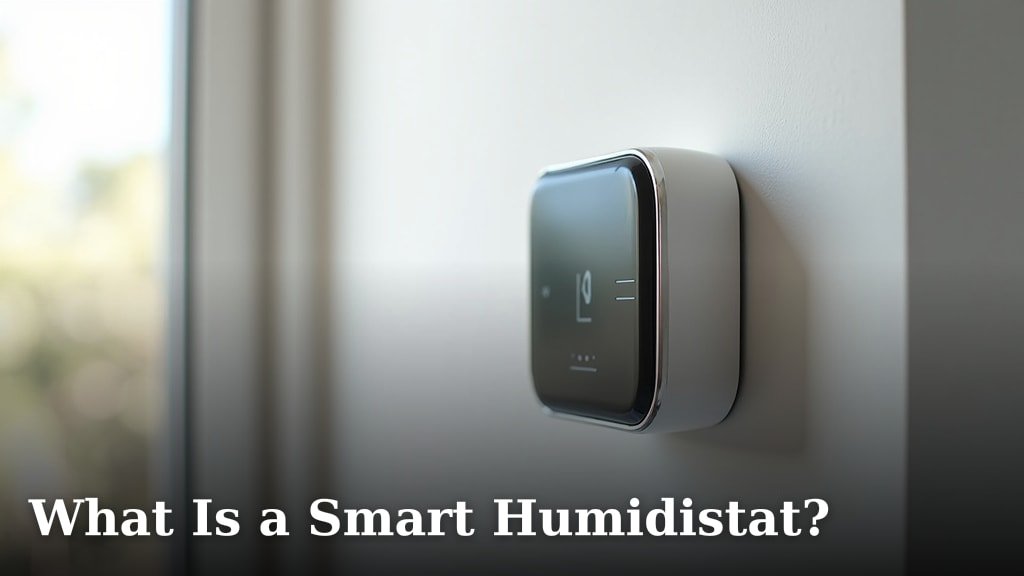
A smart humidistat is an intelligent device that automatically monitors and controls the humidity levels in your home. Unlike basic humidistats, it uses Wi-Fi connectivity to offer remote control and advanced features for optimal comfort. It helps maintain the perfect balance of moisture in your air, preventing issues like dry skin or mold growth.
Think of it as your home’s personal climate guardian. We found that this smart technology goes beyond simple on/off functions. It can learn your preferences and adjust settings based on weather forecasts or even your daily schedule, ensuring your home’s air quality is always just right. It’s a great way to create a healthier living environment.
- What is a smart humidistat? It’s a Wi-Fi connected device for automatic humidity control.
- Key benefit: Maintains ideal home humidity for comfort and health.
- Features: Remote control, learning capabilities, and scheduling options.
- Why use one? Prevents dry air issues and potential mold problems.
Ready to understand how this clever gadget can make a difference in your home’s air quality? Let’s dive into what a smart humidistat really is and how it works.
Understanding the Smart Humidistat: Your Home’s Humidity Helper
So, what exactly makes a humidistat “smart”? It’s all about connectivity and intelligence. A basic humidistat is a simple thermostat for moisture. It measures humidity and turns your humidifier or dehumidifier on and off. A smart humidistat does this too, but with a lot more brains and features.
Think of your old thermostat. It has a dial or some buttons. You set your desired temperature. The smart humidistat is like that, but for humidity. You tell it what humidity level you want. Then, it works to keep your home air right there. It’s designed to make managing your home’s air quality easier and more effective.
How Does a Smart Humidistat Work?
The magic behind a smart humidistat is its ability to connect to your home’s Wi-Fi network. This connection is what sets it apart from older models. It allows the device to communicate with you and other smart devices. It also enables it to gather information from the internet. This data helps it make smarter decisions about your home’s air.
It has sensors that constantly measure the relative humidity in the room. Relative humidity is the amount of water vapor in the air compared to the maximum it can hold at that temperature. When the humidity dips below your set point, it signals your humidifier to turn on. If it gets too high, it tells your dehumidifier to run.
The Role of Wi-Fi Connectivity
The Wi-Fi connection is a huge advantage. It means you aren’t tied to the device itself. You can control it from anywhere using a smartphone app. Did you forget to adjust the setting before leaving for vacation? No problem! Just open the app and make changes. This remote access offers unparalleled convenience.
This connectivity also allows for software updates. Manufacturers can push new features or improvements to your device remotely. It ensures your smart humidistat stays up-to-date without you needing to do anything. It’s like having a gadget that gets better over time!
Integration with Smart Home Ecosystems
Many smart humidistats can talk to other smart devices in your home. This is part of the larger smart home ecosystem. For instance, it might work with smart thermostats or even voice assistants like Alexa or Google Assistant. You could say, “Hey Google, set the humidity to 50%.” Your smart home system would then tell the humidistat to comply.
We found that this integration can lead to some really neat automations. Imagine your smart thermostat noticing you’re away and telling the humidistat to lower its activity. This saves energy when no one is home. It’s all about making your home work smarter, not harder for you.
Key Features That Make Them “Smart”
Beyond basic humidity control, smart humidistats boast features that enhance comfort and efficiency. These tools go beyond simple on/off commands. They offer a more personalized approach to managing your indoor environment. Let’s look at what makes them truly intelligent.
Automatic Scheduling and Learning Capabilities
This is where the “smart” really shines. Many models learn your routines. They might notice you prefer lower humidity at night. Or perhaps you like it a bit more humid when you’re typically home during the day. The device uses this information to automatically adjust its settings. You don’t have to constantly tweak it yourself.
Some can even connect to local weather forecasts. If it’s a very dry day outside, it might proactively adjust. It could anticipate needing to run your humidifier more. This intelligent anticipation helps maintain your desired comfort level consistently. It’s like having a personal climate assistant.
Humidity Level Monitoring and Alerts
You get detailed information about your home’s humidity. Many apps show you historical data. You can see how humidity has fluctuated over days or weeks. This helps you understand patterns in your home. It can reveal when humidity might be problematic.
Plus, you can set up alerts. If the humidity level goes too high or too low, your phone will buzz. This is incredibly useful for preventing issues. For example, high humidity can lead to mold growth. Low humidity can dry out your skin and wooden furniture. Getting an early warning helps you act fast.
Energy Efficiency and Savings
By maintaining optimal humidity, smart humidistats can help you save energy. When humidity is balanced, you may feel more comfortable at slightly cooler temperatures. This can reduce your heating costs. Similarly, preventing excessive humidity can lessen the burden on your air conditioner.
The device also avoids overworking your humidifier or dehumidifier. Instead of running constantly, it operates only when necessary. This precise control uses less energy. Many experts say that maintaining ideal indoor conditions contributes to a more energy-efficient home overall (U.S. Department of Energy).
Benefits of Using a Smart Humidistat
Installing a smart humidistat offers a range of benefits for your home and well-being. It’s about more than just comfort; it’s about creating a healthier living space. You might be surprised by the positive impact it can have.
Improved Comfort and Health
The ideal indoor humidity range is generally considered to be between 30% and 50%. Staying within this range can make a big difference. It helps prevent dry, itchy skin. It can also soothe sore throats and reduce static electricity. This is especially important during dry winter months or in arid climates.
According to health organizations, proper humidity control can reduce the survival of viruses in the air. It also helps manage symptoms for people with asthma or allergies. By keeping allergens like dust mites and mold in check, it contributes to a cleaner breathing environment (CDC).
Protection for Your Home and Belongings
Extremely dry air can damage your home. Wood floors, furniture, and even musical instruments can warp or crack. Keeping humidity levels stable protects these items. It helps maintain their longevity and appearance.
On the flip side, high humidity is a breeding ground for mold and mildew. These can damage walls, cause musty odors, and create health hazards. A smart humidistat actively works to prevent these issues. It ensures your home remains a healthy and well-maintained space.
Ease of Use and Peace of Mind
The convenience factor is undeniable. You set it and forget it, mostly. The app provides a clear overview of your home’s conditions. You get alerts if something is wrong. This remote monitoring offers peace of mind.
You don’t need to be an expert to use it. The interfaces are usually very user-friendly. It simplifies a potentially complex aspect of home maintenance. You can trust that your home’s air quality is being managed intelligently.
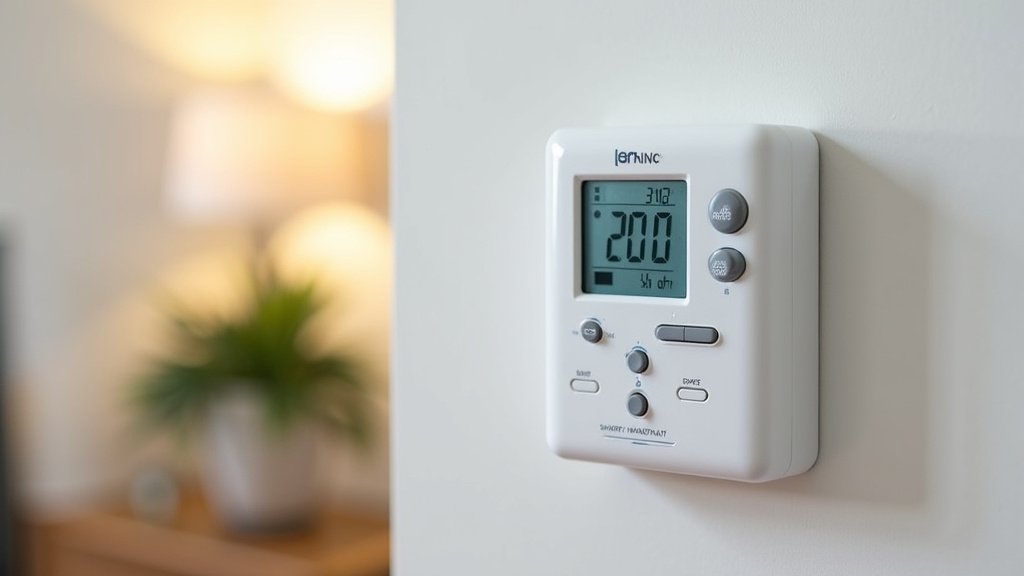
Smart Humidistat vs. Traditional Humidistat: A Quick Comparison
Let’s put the differences side-by-side. Understanding these distinctions can help you see why a smart model might be a better fit for your needs.
| Feature | Traditional Humidistat | Smart Humidistat |
|---|---|---|
| Control Method | Manual dial or buttons on device | App-based, voice control, manual |
| Connectivity | None | Wi-Fi enabled |
| Remote Access | No | Yes, via smartphone app |
| Learning/Scheduling | Basic or none | Advanced scheduling, learning, weather integration |
| Alerts | No | Yes, push notifications to phone |
| Energy Efficiency | Basic on/off control | Optimized for efficiency, less waste |
| Smart Home Integration | No | Often compatible with other smart devices |
Choosing the Right Smart Humidistat for Your Home
When you’re ready to upgrade, consider a few things. What’s your budget? What features are most important to you? Do you want it to integrate with other smart devices you already own?
Factors to Consider
Compatibility is key. Make sure it works with your existing humidifier or dehumidifier system. Check if it supports your home’s Wi-Fi standard. Also, look at the app’s user interface. Is it intuitive and easy to navigate?
Consider the range of humidity control it offers. Ensure it can handle the levels you need. Some models might also track air quality metrics beyond just humidity. Think about what specific benefits you’re seeking for your household.
Installation and Setup Checklist
Getting your new device up and running should be straightforward. Most smart humidistats are designed for DIY installation. Here’s a quick rundown of what to expect:
- Unpack your new smart humidistat.
- Follow the included instructions for physical mounting.
- Connect it to your home’s Wi-Fi network using the companion app.
- Set your desired humidity level and preferences.
- Test the system to ensure it communicates with your HVAC or standalone units.
- Explore the app’s features for scheduling and alerts.
Many manufacturers provide detailed setup guides and customer support. If you encounter any issues, don’t hesitate to reach out to them. They are there to help you get the most out of your new smart device.
Conclusion
You’ve learned that a smart humidistat is more than just a humidity controller; it’s a connected device that actively works to create a healthier and more comfortable home. By understanding how it uses Wi-Fi and smart features, you can appreciate its ability to monitor, adjust, and alert you to your home’s air quality. This technology offers peace of mind and protection for your home and belongings. Ready to take control of your indoor environment? Consider upgrading to a smart humidistat to experience these benefits firsthand.
Frequently Asked Questions
Do I need a humidifier or dehumidifier to use a smart humidistat?
Yes, you do. A smart humidistat is the brain that controls your existing humidifier or dehumidifier. It tells those appliances when to turn on and off to reach your desired humidity level. You’ll need at least one of these units for the smart humidistat to manage.
Can a smart humidistat be controlled without Wi-Fi?
Most smart humidistats require a Wi-Fi connection for their advanced features like remote control and app integration. Some models might offer basic manual control on the device itself, but you’ll miss out on the “smart” capabilities. Without Wi-Fi, it essentially functions like a traditional humidistat.
How do I know what the ideal humidity level is for my home?
The ideal indoor humidity range is generally between 30% and 50%. Maintaining humidity within this range promotes comfort, helps prevent dry skin and static, and reduces the growth of mold and dust mites. Your smart humidistat can help you keep it within this healthy zone.
Will a smart humidistat help with allergies or asthma?
Proper humidity control can significantly help manage allergy and asthma symptoms. By keeping humidity in the ideal range, you can discourage the growth of mold, mildew, and dust mites, which are common triggers. Your smart humidistat helps create an environment less conducive to these allergens.
Is it difficult to install a smart humidistat myself?
Generally, smart humidistats are designed for straightforward DIY installation, similar to traditional models. Most come with clear instructions and user-friendly apps to guide you through connecting it to your Wi-Fi and your HVAC system or standalone units. If you’re comfortable with basic home electronics, you can likely install it yourself.
