Smart HVAC controls are transforming how modern homes manage heating, ventilation, and air conditioning. These intelligent systems allow homeowners to control indoor climate more efficiently, improve comfort, and reduce energy costs through automation and remote access.
In this guide, we explain what smart HVAC controls are, how they work, their benefits, and what to consider before choosing one for your home.
What Are Smart HVAC Controls
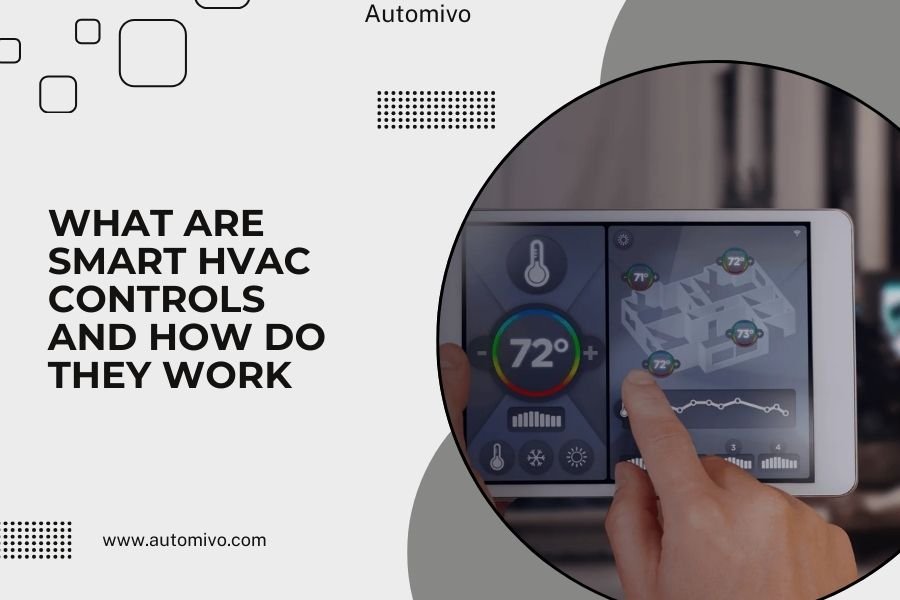
Smart HVAC controls are advanced devices that manage your heating and cooling system using software, sensors, and internet connectivity. Unlike traditional thermostats, they can automatically adjust temperature settings based on user behavior, schedules, weather conditions, and occupancy.
Most smart HVAC controls connect to a mobile app, allowing users to monitor and control their HVAC system from anywhere.
How Smart HVAC Controls Work
Smart HVAC controls use a combination of hardware and software to regulate indoor climate.
Key components include:
- Temperature and humidity sensors that monitor indoor conditions
- Wi-Fi or smart home protocol connectivity for remote access
- Software algorithms that optimize heating and cooling cycles
- Mobile apps or dashboards for user control and monitoring
Some systems also integrate with smart sensors placed in different rooms to balance temperatures across the home.
Key Features of Smart HVAC Controls
Modern smart HVAC controls offer a wide range of features designed to improve efficiency and comfort.
Remote Temperature Control
Users can adjust heating and cooling settings remotely using a smartphone or tablet. This is useful for managing energy use while away from home.
Smart Scheduling
Smart HVAC controls learn your daily routines and create automatic schedules. Over time, they adjust temperatures to match your lifestyle without manual input.
Energy Usage Monitoring
Many systems provide detailed energy reports, showing how much energy your HVAC system consumes and where savings can be made.
Smart Home Integration
Smart HVAC controls often work with voice assistants and home automation hubs. This allows voice control and integration with other smart devices.
Geofencing
Geofencing uses your phone location to detect when you leave or return home. The system automatically adjusts temperatures to save energy when the house is empty.
Benefits of Using Smart HVAC Controls
Installing smart HVAC controls offers several advantages over traditional systems.
Improved Energy Efficiency
By optimizing heating and cooling cycles, smart HVAC controls reduce unnecessary energy usage. This can lead to noticeable savings on utility bills.
Enhanced Comfort
Smart systems maintain more consistent indoor temperatures and can address hot or cold spots by adjusting airflow and timing.
Convenience and Automation
Automation reduces the need for constant manual adjustments. Once configured, the system manages itself.
Remote Monitoring
Homeowners can receive alerts for maintenance issues, temperature changes, or system malfunctions.
Types of Smart HVAC Controls
There are different types of smart HVAC control solutions available.
Smart Thermostats
Smart thermostats replace traditional thermostats and act as the main control unit for heating and cooling systems.
Smart HVAC Zoning Systems
Zoning systems allow different areas of the home to be heated or cooled independently, improving comfort and efficiency.
Smart Vents and Sensors
Smart vents and room sensors help balance airflow and temperature across multiple rooms.
Compatibility and Installation Considerations
Before choosing smart HVAC controls, consider the following factors.
- Compatibility with your existing HVAC system
- Required wiring, such as a C-wire
- Home size and number of zones
- Wi-Fi signal strength and reliability
Some systems support professional installation, while others are designed for DIY setup.
Are Smart HVAC Controls Worth It
For most households, smart HVAC controls are worth the investment. Energy savings, improved comfort, and convenience often outweigh the initial cost over time.
They are especially beneficial for homes with high energy usage, variable schedules, or multiple occupants with different comfort preferences.
Final Thoughts
Smart HVAC controls are a key part of modern home automation. They offer smarter temperature management, lower energy consumption, and greater control over indoor comfort.
If you are looking to upgrade your home climate system, understanding how smart HVAC controls work is the first step toward making a better buying decision.
Explore our detailed guides and product comparisons to find the best smart HVAC controls for your home.
